

The starting point for understanding your monthly or annual payments is a Toyota insurance quote. To determine a reasonable cost based on risk, every insurance company analyzes a number of criteria. These variables are both vehicle-related (model, repair expenses, and safety features) and personal (your driving habits, experience, and bank score). Understanding how costs are calculated helps you with a clear starting point for cost control.
Insurance companies use complex mathematical techniques to calculate the probability of a claim. These models measure the chance of accidents, theft, or damage based on past data. Your driving record, age, location, mileage, and vehicle characteristics are all included in a scoring method that influences your amount of payment amount. The better you understand this system, the more you can modify your decisions to optimize your insurance costs.
Key Elements Insurers Use to Calculate Your Rate
| Factor | Impact on Premium | Explanation |
| Driving Record | High | Accidents, tickets, and claims increase risk, which raises premiums. |
| Vehicle Type | Medium-High | Model, repair costs, and parts availability affect the quote. |
| Coverage Levels | Medium | Higher security, accident, or full insurance increases cost. |
| Deducted cost | Medium | A higher deduction reduces monthly premiums but increases out-of-pocket costs. |
| Location | Medium | Urban areas with dense traffic and higher theft rates usually have a higher cost. |
How driving record, vehicle model, location, and safety features affect insurance pricing can be found in reliable auto insurance factor guides such as https://www.forbes.com/advisor/car-insurance/factors-in-rates/?utm_source=chatgpt.com
Secret 1: How Cost-Reduction Through Careful Coverage Selection
Carefully choosing coverage is one of the best strategies to control insurance expenses. Many drivers pay for policies that either include useless features or offer extra security. Premiums can be greatly impacted by knowing which kinds of insurance are necessary vs optional.
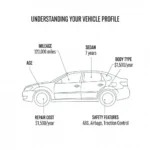
Essential Coverage Types Explained
- Responsibility insurance: Pays for injuries or property damage caused to other people if you are at fault. This is essential in most states.
- Collision Coverage: pays for repairs to your vehicle after an accident, no matter who is at fault.
- Comprehensive Coverage: Protects against theft, criminal activity, natural disasters, or non-collision damage.
- Uninsured/Underinsured Motorist policies: Protect you if the other driver does not have sufficient insurance.
How Price Is Affected by Changing Deducted Fees
Your monthly cost can be considerably lowered by selecting a higher initial cost. But if you have to submit a claim, it raises your out-of-pocket expenses. Financial capacity and affordability should be balanced in this choice.
Pros and Cons of Adjusting Deductibles
| Pros | Cons |
| Lower monthly premiums | Increased out-of-pocket expenses during a claim |
| promote safer driving practices | could postpone repairs if money is not available. |
| Often combined with safe driver discounts | Not suitable for drivers with limited savings |
Secret 2: Why Your Quote Is Affected by Your Driving Profile
One of the biggest factors influencing insurance costs is your individual driving history. Companies analyze risk based on daily driving habits, experience, and past events.
Age, Experience, and Driving Record
Younger drivers or those with less experience are typically paid more because they are considered to be at higher risk. While accidents, evidence, or a history of claims will raise costs, a spotless driving record can offer major savings.
“Understanding roadside support also gives helpful information, and the guide on Toyota’s roadside assistance system in 2025 shows how emergency services relate to overall risk analysis.”
Annual Mileage and Daily Routes
The chance of an accident increases with the amount of driving you do. Due to heavy traffic and the frequency of accidents, urban commuters typically pay more for insurance than drivers in rural areas. Reducing unnecessary kilometers and taking safer paths can improve your quote.
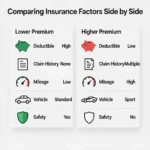
Comparison Table: Driving Profile Impact
| Factor | Low Risk | High Risk |
| Age | 30–65 | Under 25 |
| Driving Experience | 5+ years | Less than 2 years |
| Accident History | None | 1+ incidents in 3 years |
| Mileage | <10,000 miles/year | >15,000 miles/year |
| Commute Type | Rural/Low Traffic | Urban/High Traffic |
Information on how mileage and driving patterns influence insurance calculations is supported by data-driven platforms reported in Forbes
Secret 3: How Car Features Reduce Insurance Quotes
When calculating premiums, insurers take certain vehicle characteristics into mind. Theft risk, repair expenses, and safety features all come into play.
The Impact of Safety Technology on Costs
Automobiles with airbags, lane change warning, automatic braking, and anti-theft devices typically have cheaper insurance. These characteristics lessen the likelihood and impact of accidents
Model Type and Repair Cost Differences
Each model has different repair prices and parts availability. Insurance is usually less expensive for cars that are easier to fix or less likely to be stolen. On the other hand, premiums are frequently raised for cars with high repair costs, luxury trims, or higher theft rates.
The breakdown of Toyota Camry insurance costs helps explain how pricing varies by model and yearly updates for the purpose of comparing how different models affect insurance rates.”
Comparison Table: Vehicle Features Impact
| Feature | Insurance Effect | Reason |
| Anti-theft device | Lower | Reduces theft risk |
| Advanced airbags | Moderate | Improve passenger safety |
| Collision warning system | Significant | Prevents accidents |
| Luxury trim (border) | Slight increase | Higher repair costs |
Pros and Cons of Safety Features
| Pros | Cons |
| Can lower premiums | Some features may increase repair costs if damaged |
| Improves overall safety | Additional features increase the initial cost |
| Promote safer driving | Not all discounts applied automatically |
Secret 4: Location-Based Factors That Affect Premiums
The cost of insurance can be greatly impacted by your location. Environmental issues, crime rates, and population density all play a role.
Pricing in Urban and Rural Areas
Due to increased incidence of criminal activity, theft, and accidents, costs are typically higher in urban locations. Insurance prices may be lower in rural locations since there may be fewer incidents.
Theft Rates and Local Conditions
Premiums are typically higher in areas with greater rates of auto theft, vandalism, or natural disasters like hailstorms or floods. Depending on the area dangers, even a short-distance move may affect prices for insurance.
Comparison Table: Location Effect on Insurance
| Location Type | Average Premium | Reason |
| Urban | High | More traffic, higher accident/theft risk |
| Suburban | Medium | Moderate traffic and theft risk |
| Rural | Low | Fewer accidents and low crime rates |
Discussions from CCPC blogs highlight how geographic risk patterns influence premiums.
Secret 5: Timing of Policies and Payment Methods
The rates are also affected by administrative factors such as policy update procedures and payment schedules.
Timing of Renewal, Effect on Credit, and Frequency of Payment
Charges are avoided by timely policy renewals. When deciding premiums, insurers may take bank detail ratings into account. Fees and total costs can be decreased by selecting annual payments rather than monthly payments every month.
Pros and Cons of Payment Strategies
| Strategy | Pros | Cons |
| Annual payment | May lower overall cost, fewer admin fees | Requires a large initial payment |
| Monthly payments | Controllable, spreads cost | Slightly higher total cost |
| On-time renewal | Prevents fees | A missed timeline may increase rates |
| Credit score maintenance | Lowers premiums | Poor credit can raise rates |
Other Strategies for Controlling the Toyota Insurance quote

Studying Policies Every Year
Over time, insurance needs change. Every year, policies are checked to make sure that coverage is current and that additional policy is eliminated. Costs may be affected by life events, car improvements, or location changes.
Reducing Rates with Vehicle Data
Tracking programs keep an eye on safe driving and give insurers feedback. Reduced insurance rates for careful driving might result from monitoring braking, acceleration, mileage, and speed.
The explanation of Toyota Toggle Insurance, which explains how adjustable coverage structures work for different driving patterns, may be helpful to readers.
Pros and Cons of Tracking Programs
| Pros | Cons |
| Discounts for safe driving | Privacy issues |
| helps keep an eye on driving practices | Need an app or device that is functional |
| promotes lowering risk | Not all elements may be taken into account. |
FAQs
-
Do premiums go down if you have several automobiles on one policy?
Yes, there are frequently savings when cars are bundled.
-
How much does a clean driving record affect insurance costs?
A clean record can significantly reduce rates by showing lower risk.
-
Can insurance costs be reduced just by safety features?
Yes, discounts can often be available for cars with cutting-edge safety features.
-
Does the mileage affect the insurance quote?
Yes, less traveling lowers the likelihood of accidents and the cost of insurance.
-
How often should I review my insurance policy?
Annually, or after major life or vehicle changes.
Conclusion
Reducing insurance costs involves understanding personal, vehicle, and location-based factors. Modifying coverage, keeping an eye on driving patterns, utilizing safety features, and checking payment methods can help lower premiums without sacrificing protection. Effective cost management is supported by tracking programs and annual analyses. Understanding these factors provided drivers with the knowledge to make smart decisions while keeping affordable insurance security.
2 thoughts on “How Can 5 Secrets Slash Your Toyota Insurance Quote Fast?”